


Liposuction
Consultations offered at our three convenient locations in Encino, Glendale and Bakersfield
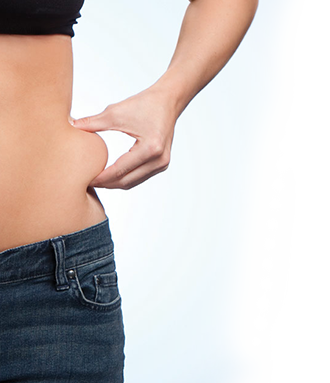
Liposuction is consistently among the most commonly sought plastic surgery procedures. It is one of the most effective procedures a plastic surgeon uses to create the body contour you want*. By removing stubborn pockets of unwanted fat, a plastic surgeon is able to sculpt different areas of your body to create a more pleasing overall appearance*.
*Results May Vary
Contents
- 1 The Procedure
- 2 Types Of Liposuction
- 3 Before and After Photos
- 4 Candidates
- 5 Preparation
- 6 Recovery
- 7 Myths & Facts
- 8 Risks & Complictations
- 9 Patient Satisfaction
- 10 Surgeon Qualifications
The Procedure
Although an increasing number of men are seeking cosmetic surgery these days, liposuction is still primarily sought by women. Liposuction can be used to remove stubborn pockets of fat that fail to respond to diet and exercise*. This fat can accumulate in almost any area, although the most commonly treated areas include:
- Abdomen
- Flanks (Love Handles)
- Face and Neck
- Buttocks
- Thighs
- Upper Arms
Using a special device called a cannula, Dr. Younai is able to break up and remove unwanted fat from these areas to sculpt a more pleasing contour*.
*Results May Vary
The most commonly performed plastic surgery in the United States is Liposuction, also known as Liposculpture, – more than 400,000 men and women undergo this procedure annually.

Liposuction is a cosmetic surgery that contours and sculpts your body into a slimmer profile and removes unwanted excess fat*. It can help to lower cholesterol, and reduce the risk of diabetes and heart disease by reducing total body fat*.
*Results May Vary
There are three categories of candidates who, after trying unsuccessfully to do so through diet and exercise, seek Liposuction Beverly Hills to achieve their ideal appearance.
The first category of patients includes those who wish to reduce their size, including women who have gained weight due to pregnancy, hormonal fluctuations or medications. This category also includes men and women who undergo Large Volume Liposuction. Normally, Liposuction Beverly Hills involves the removal of about two liters of fat, about the size of a “Coke” bottle. During Large Volume Liposuction, however, five or more liters of fat are removed – resulting in a dramatic reduction in size.
*Results May Vary
Best Liposuction Technique in Los Angeles
Liposuction, a cosmetic surgery procedure that removes excess body fat utilizes different techniques including Tumescent, Laser, Ultrasound or Power-Assisted. As an experienced plastic surgeon in Body Contouring, Dr. Younai believes that the most important factor for getting the best liposuction result is not a tool but rather the plastic surgeon’s talent, expertise, and experience. It’s the plastic surgeon that gives you the best contour or figure with liposuction, and not the machine!
#liposuction #bestlipo #liposculpture #fatremoval #360lipo #bodyshaping #figure #curvy #shapewear #tightbody #contour #bodyshaping #flattummy #plasticsurgeyr #cosmeticsurgery #laliposuction #plasticsurgery #liposuctionsurgery #cosmeticsurgery
The second category includes those who have disproportionate areas of fat in their abdomen, hips, thighs, buttocks, knees, cheeks and neck. These problem areas are commonly known as “saddlebags,” “thunder thighs,” “love handles” and “double chins.” Often, these stubborn areas of fat have genetic origins, and cannot be reduced by diet and exercise.
The third category of patients includes men who suffer from Gynecomastia, excessive breast growth due to the enlargement of breast glands, and excess fatty tissue.
In all cases, men and women who undergo Liposculpture should have had a stabilized weight for at least six months. Liposuction Beverly Hills is not a solution for ridding of stretch marks or of cellulite.
Types Of Liposuction
Tumescent
There are three major techniques of liposuction, involving different kinds of suction equipment.
Developed about 15 years ago, this is the most common, and safest, method of liposuction. The term “tumescence” refers to the swelling and firming of fatty tissues by the means of infusing fluid into the tissue. After tiny incisions are made where the patient’s skin covers fatty tissue, the area is soaked with a saline solution that contains an anesthetic (Lidocaine) and adrenaline to reduce blood loss and bruising. This reduction of blood loss through the shrinking of capillaries has been a great advance, enabling plastic surgeons to remove much fat with little blood loss. Tumescent liposuction involves swelling the areas to be suctioned with a solution that equals two to three times the amount of the fat and fluid that will be suctioned out. In the Super-Wet technique of liposuction, however, the tissues are infused with an amount of fluid that equals the fat and fluids that will be suctioned. Super-wet involves the use smaller amounts of, or no, Lidocaine, thereby reducing the risk of Lidocaine toxicity.
Once the area has been sufficiently plumped up, the surgeon removes these fat cells through the insertion of a cannula, a tiny wand like instrument that suctions and removes the loosened fat cells via a high-power suction machine. The fat then glides through transparent vacuum-like tubes as fat and fluid are suctioned from your body. Because of the fluid loss, you need to be monitored carefully by an experienced anesthesiologist who can balance your fluid intake and output throughout the procedure.
There is nothing arbitrary about this process. A skilled surgeon, like a sculptor, has to use his sense of sight and touch to assess the areas of fat buildup and to contour and sculpt these areas into an ideal form. It also requires a great deal of arm movement and exertion by the surgeon, as he or she both suctions and sculpts. The tumescent technique has a low complication rate in and of itself, yet is also used as preparation for other kinds of liposuction techniques.
Plastic Surgeons in Los Angeles use different liposuction techniques for body contouring.
Liposuction candidates should learn about the different types of liposuctions, as well as their risks and potential complications. Vaser Liposuction uses Ultrasound powered probe to heat up the fat cell in order to melt this. Although this facilitates the liposuction procedure it carries risks of heat damage to the skin, causing burns, and to the internal nerves and organs. Smartlipo uses a laser probe to melt fat cells under the skin. Because of its high energy it can also cause skin and tissue burns. PAL or Power Assisted Liposuction uses a mechanically vibrating handle to facilitate liposuction. Because of its speed and power, it cannot be used in delicate areas. Tumescent Liposuction is the traditional type of liposuction where the surgeon first infiltrates the fatty tissue with Tumescent fluid to help break up the fat and reduce bleeding. Plastic surgeons often use this liposuction technique in addition to the other liposuction techniques in order to reduce bleeding. In my opinion, Tumescent liposuction offers the safest method of liposuction because it does not introduce external heat and power. I have to emphasize that the best liposuction results are not achieved by a machine or technology, but rather by an experienced and skilled Board-Certified Plastic Surgeon, regardless of the type of liposuction used.
#liposuction #tumescentliposuction #smartlipo #vaser #ultrasoundlipo #laserlipo #safelipo #liposuctiontechniques #liposuctionsafety #plasticsurgery #plasticsurgeon #cosmeticsugeon #cosmeticsurgery #liposuctionphotos #lipsouctionrecovery #liposuctiontechniques #liposuctiontypes
Power Assisted
In essence, this is liposuction hastened by a vibrating suction cannula. Developed by a German surgeon, this technique employs an electric-powered cannula, which like a jackhammer sucks out the fat faster. In my opinion, while it might help the surgeon to do his or her job faster, it takes away from the surgeon’s ability to feel the contour and the topography of tissue as this machine vibrates. Also, this machine might not be safe to be used in delicate or potentially dangerous areas such as the neck and face.
Ultrasonic Assisted
Because there is insufficient proof of the safety of UAL devices, the Food & Drug Administration (FDA) has never approved the marketing and advertising of UAL devices to be specifically used for liposuction.
This method was first used in the 1990’s and was considered an advance in treating especially fibrous areas, such as the male chests, back, and flanks. It uses cannulas that bombard subcutaneous fatty tissues with waves of ultrasound, thereby liquefying them through ultrasound energy and heat. An external method also delivers this energy by applying a paddle-shaped instrument to the skin. The higher general complication rate of this technique as compared to other conventional techniques has recently drawn surgeons away from this fad. Specifically, ultrasonic assisted lipoplasty (UAL) carries an increased risk of skin and tissue burns, permanent tissue damage and scarring, nerve damage causing lasting skin irritation or pain, and fluid buildup or formation of seroma – cavities of fluid beneath the skin.
Large Volume
What person today has not heard of gastric bypass surgery, more commonly known as “stomach stapling?” The news stories about musicians, new anchors and other celebrities who have undergone this procedure are frequent. Yet, only twenty years ago, the mere mention of gastric bypass would have elicited a declaration of “that would be malpractice!” In much the same way, our assessments about the safety of Large Volume Liposuction are progressing.
Notions of what is attractive are constantly evolving. The voluptuous actresses of the 1950’s would today be considered overweight. However, while we can’t really define what an “ideal” weight is, it is widely accepted that a significant portion of Americans today are overweight. This is both a health issue, and a self-esteem issue. More than half of American women wear a size 10 or more, and are unhappy with their size.
Just as the safety of gastric bypass surgery was once questioned, so is the acceptability of Large Volume Liposuction. However, in the hands of a skilled and experienced plastic surgeon who takes all of the usual precautions that are observed during any major surgery, a patient can successfully and safely have large amounts of fat removed*.
*Results May Vary
“I have already been laughed out of the offices of a few plastic surgeons, so what you do seems amazing to me. I have lost 130 pounds in the past two years. No matter what I do, I can’t get past this plateau. I’ve tried and tried, but my legs and butt are never reduced. My arms are huge and make me so self-conscious. I would love to meet with you as soon as possible. I hope that you can get me on the right track!”* — Cheryl, age 45
*Results May Vary
When approximately two liters of fat (about the size of a Coca-Cola bottle) are removed, this is considered Small Volume Liposuction. This is successful when smaller localized “problem” areas of the body are being contoured. However, the removal of this quantity of fat will not make a difference in a large person whose goal is significant size reduction. In the latter case, large volumes of fat, five or more liters are removed, with the dramatic outcomes- 2 to 5 size reduction in cloth size. The surgeon removes the fat with an eye towards contouring the area as well. In Large Volume Liposuction, it is a good practice to combine the Tumescent with the Super-Wet Technique, as the latter does not use Lidocaine (or uses less), thereby avoiding the risk of Lidocaine toxicity.
If you are considering Large Volume Liposuction, you should seek a plastic surgeon who has very extensive experience in performing this procedure in an optimal surgical facility. A minority of qualified plastic surgeons specializes in this.
For Men
Liposuction is one of the most popular plastic surgery procedures for men. Men want to have the toned body and to look and feel their best. Liposuction and liposculpture enables men to get the chiseled body that they can’t just get with exercises or dieting. Liposuction removes excess body fat from areas that are hard to get rid of, such as the flanks, “love handles”, abdomen, back, chest, and neck. As men age, their bodies also change. The changes that men observe with aging are in part due to the change in the hormone levels, such as Testosterone, as well as their metabolic rate. This, along with change in activity level can dramatically affect how and where men accumulate body fat. While some men gain weight around their waist, others accumulate fat within their abdominal viscera, and yet some gain fat in their chest and thus develop male breasts- Gynecomastia. Gynecomastia is a taboo that is seldom talked about, while it has become an epidemic in aging men. Liposuction combined with micro-excision of breast gland is the preferred plastic surgery technique for the treatment of Gynecomastia.
The most prevalent liposuction technique used by plastic surgeons is tumescent liposuction which can deliver great refinement and contouring of the male body with minimal side effects or complications. Other techniques such as UAL (Ultrasound Assisted Liposuction), Smart Lipo, Lipo Zap, and Laser Liposuction have recently been introduced that have questionable benefits over Tumescent Liposuction.
Recovery following Male Liposuction
Most men take off about a week after having had liposuction of abdomen. Liposuction of the chest for Gynecomastia has a similar recovery course. During this week men are able to move around and maybe work from home. They have to wear a post-surgical girdle or abdominal binder for up to six weeks, but this does not limit them from being active. In fact, I recommend my patients to start exercising as soon as they feel like it. I have found that early activity, and massaging of the liposuctioned areas, helps achieve the optimal results.
What happens if you gain weight after Liposuction?
Because liposuction removes the majority of the fat cells from the area that had been liposuctioned, such as the abdomen, if a man gains much weight, it tends to more so accumulate in other areas which had not been liposuctioned, such as the buttocks or thighs.
What is the most frustrating dilemma for men who seek Liposuction?
While some men accumulate their excess body fat around their abdomen, and specifically in their subcutaneous tissue (under the skin); other store most of their fat in their gut or abdominal viscera. The fat that builds up in the abdominal viscera or gut cannot be liposuctioned. Excess visceral fat gives men the appearance of having a “bear belly”. Only an experienced Board Certified Plastic Surgeon can adequately evaluated you to determine if the majority of your abdominal fat is located in the subcutaneous tissues or it is internal and thus cannot be liposuctioned.
Before and After Photos


*Results May Vary
Candidates
Good Candidates
“After fighting my weight my whole life, I had abdominal liposuction. Now, I no longer have that beer belly that plagued me. The best part is, having made this investment and gone through surgery, I am motivated to eat better, and to exercise more often.” –Mike, age 43
*Results May Vary
Men and women who have diligently tried diet and exercise to reduce their size, and who have been frustrated time and again because they cannot achieve their ideal size and figure, are good candidates. Often, these are people who have gained disproportionately large amounts of weight and fat due to pregnancy, or prescribed drugs such as hormone replacement therapies or cortisone. Also, those who have stubborn areas of localized fat such as “saddlebags,” “thunder thighs,” “love handles,” and “double chins” are good candidates. These are areas of the body that, for genetic reasons, are resistant to exercise and dieting. Patients complain that, rather than losing weight from these problem areas, they lose it in their face, in their breasts and in parts of their bodies that they are happy with. This, in turn, makes them feel as if they appear prematurely older.
As a general rule, the best candidates for liposuction are those who have maintained a stable weight for at least six months, whatever their size.
Not Good Candidates
Liposuction is not a “quick fix” that you can undergo repeatedly as a way of “keeping in shape.” Also, liposuction is not a solution for correcting unstable or traumatic situations in your life – such as serious diseases, unhappy marriages or mental illness. Liposuction cannot make people fall in love with you, or save your marriage!
How Much Fat Is Needed
Pinch an Inch! If you can get an inch or more of tissue between your thumb and index when you pinch an area of your body, that means that you have enough fat there to be liposuctioned. This is only an approximation, since the thickness of skin and subcutaneous fat varies throughout the body. The rule of “pinch an inch” applies mostly to the trunk and extremities.
Liposuction and Tummy Tuck
Basically, liposuction is designed to remove excess fat from beneath the skin. Abdominoplasty, or a “tummy tuck,” is designed to remove excess skin and to tighten the abdominal wall and skin. While liposuction can significantly reduce the clothing size in a person who is generally obese, a tummy tuck may not change clothing size at all. On the other hand, a person who has lost much weight and has loose, hanging skin that makes everyday tasks and wearing clothing difficult, a tummy tuck is more effective.
Tummy tuck or abdominoplasty is a desirable option for body contouring in plus size women. Large size women seek abdominoplasty in Los Angeles not necessarily to lose weight or to get smaller, but more importantly to get a proportional figure.
Large size women are often challenged by not having the right curves in the right places! For some plus size women liposuction can shape their body by removing excess fat from the stubborn areas. For example, liposuction of the abdomen, waist, and the lower back can help shape women to have a more hour-glass figure and more sexy curves! This enables large size women to fit better in their favorite cloths and to be able to have better options in choosing cloths.
There are many liposuction techniques advocated in Los Angeles but the most effective method for full figured men and women is Tumescent Large Volume Liposuction. This technique of liposuction has revolutionized body contouring for large size women and has enabled them to see a real difference.
For some large size women in Los Angeles liposuction might not provide the optimal results! This is a group that have lost and gained weight over the years and thus have developed loose skin folds of the abdomen, upper back, outer chest, legs, and arms. These women are best served by a tummy tuck or abdominoplasty, but the technique that is designed for large size women.
High Tension Abdominoplasty is a unique tummy tuck technique designed for large sized women. High Tension Tummy Tuck not only removed hanging skin folds of the abdomen, but also helps shape the waist, tighten the abdominal muscles, smoothen out the upper thighs, and more. In a way it is a merger between liposuction and tummy tuck which addresses all the issues associated with excess fat, skin folds, and poor skin elasticity and sagging.
Liposuction With Chronic Illness
Men and women who have chronic health conditions, such as thyroid disease, diabetes, high blood pressure, and arthritis can still undergo liposuction – provided that their conditions have been successfully optimized by their physician. Even as the most commonly performed cosmetic procedure, liposuction is still major surgery, and must be treated as such in all cases. A responsible plastic surgeon will perform blood tests, and take a comprehensive medical history to assure that all risks of surgery are minimized.
Revision Liposuction
Considering that liposuction is one of the most common cosmetic surgery procedures, there are a number of patients who are dissatisfied with their liposuction results.
The most common reason for being unhappy with liposuction result is lack of seeing significant results. As an expert in Liposuction and Body Contouring, Dr. Younai comes across many patients that come to him for revision liposuction just because their plastic surgeon was very “conservative”. These people often say in frustration that they just can’t see a difference after having paid much for their liposuction. It seems that these patients did not do adequate research about the experience of their plastic surgeon in liposuction and body contouring. They might have just chosen a cosmetic surgeon only based on advertisement, their office location, and hype. Therefore, I recommend that really investigate the credentials of your plastic surgeon. Many patients don’t know the difference between a Board Certified Plastic Surgeon and a Board Certified Cosmetic Surgeon. A cosmetic surgeon is not a plastic surgeon, and did not have a formal plastic surgery residency training and Board Certification by the American Board of Plastic Surgery.
Also, carefully view before and after pictures of your plastic surgeon’s patients. If he/she does not have many examples of the specific procedure that you are contemplating, maybe, he/she is just not experienced in it. To remedy this choose a plastic surgeon that is board certified and is experienced in Large-Volume-Liposuction.
The second most common reason for dissatisfaction with Liposuction is getting dimples, ripples, bumps, or skin irregularities. These skin irregularities are sometimes unavoidable depending on your skin elasticity, chronic skin sun damage, presence of stretch marks, or a history of recurrent weight gain and loss. Multiple previous liposuctions can increase your risk of skin irregularities with subsequent liposuctions.
Having said this, certain liposuction techniques can help reduce the occurrence of dimples, ripples, and bumps. Liposuctioning from multiple entrance sites and at right angles does lessen the chance of skin irregularities. Tumescent liposuction has a lesser probability of these complications as compared to Ultrasonic liposuction, power-assisted liposuction, laser-liposuction, or lipo-zap.
To help revise these liposuction outcomes, it might be necessary to do fat grafting in certain locations, along with revision liposculpture in adjacent areas. Dr. Younai has had experience with these techniques in the areas of the neck and face, abdomen, back, thighs, chest, and buttocks.
Finally, you can help lessen your chance of getting dimples, ripples, or bumps after liposuction, by doing aggressive and thorough massage over the areas of liposuction. This deep skin massage when combined with skin hydration helps increase skin circulation and healing, as well as smoothening out areas that might be predisposed to become dimply. Dr. Younai recommends all his liposuction patients to continue this for at least 8 weeks after their liposuction.
Preparation
Prior to Surgery the surgeon will provide very specific instructions prior to surgery so you will have an optimal and safe experience. These include what medications to avoid to prevent excessive bleeding and bruising, required medical exams, what to eat and drink prior to surgery, and the prescription of an anti-nausea pill to take on the morning of the surgery. In all cases, you will be asked to have a reliable friend or family member take you home after the surgery, as you will not be allowed to drive. Some procedures do require overnight stay in an aftercare facility or a hospital.
Get all your prescriptions filled in advance of surgery, and bring ALL your medications with you on the day of surgery.
Also, tend to all of your chores and to do things before your surgery so you don’t have to worry about taking care of things early during your recuperation. This means if you usually clean the house, you should do so in advance of your surgery. Have your hair cut and colored, wax your legs, pay your bills, and take your dog to the vet before your planned day of surgery!
Pre-Operative Instructions
- If you are older than 45 years, or have heart disease, we require a pre-operative EKG, which would either be done by your internist, cardiologist, or at our facility. Heart disease and all other medical illnesses need to be monitored first by an internist or specialist.
- If you are anemic, or have a low blood count, please notify our office well in advance of surgery so that we can start you on Iron supplement. You cannot have liposuction if you are anemic.
- Pre-operative laboratory blood and urine tests are done usually within 10 days of your surgery date. If you do have health insurance this might be covered, otherwise, the laboratory will charge you.
- If you have specific medical illnesses, allergies, or physical handicaps, please notify our staff during your pre-operative visit.
- If you have had a history of forming blood clots in your legs, deep venous thrombosis (DVT), Pulmonary Embolism (PE), or are known to have hypercoagulability, you need to notify your surgeon prior to surgery, so that necessary precautions can be taken for your surgery.
- Please refrain from taking any Aspirin, Aleve, Advil, Motrin or other NSAID for ten days before your surgery. These drugs can increase the incidence of bleeding and bruising.
- Do not drink or eat after midnight, the night before your surgery. This means no coffee or breakfast on the morning of your surgery. You should take all your medications with a little water. If you have to take diabetic medication or insulin, be sure to have instructions from our office on how much of it to take the morning of surgery.
- Please remove and leave behind all jewelry, watches, and body rings before you come in for your surgery. Please do not wear any makeup or perfume.
- Before leaving home for your surgery, take one “nausea pill”- COMPAZINE – with a little water.
- Get all your prescriptions filled in advance of surgery and bring ALL your medications with you on the day of surgery.
- Please wear comfortable and loose clothing the day of surgery. It would be helpful if you wear front open tops and loose sweatpants.
- We ask you to check the fit of your compression garment in advance and to bring it with you to surgery.
- Set up your bed in an area that is easily accessible and that you don’t have to climb multiple stairs. Have bunch of pillows or cushions available so that you can place them behind your back and under your knees after the surgery.
- You should make arrangements for a responsible adult friend or family member to take you home after surgery. You are not allowed to drive yourself home or take a taxi. After surgery, this caregiver is required to stay with you and to monitor and assist you for at least the first 24 hours after surgery. If you don’t have such a person please let us know in advance so that we can help you make arrangements for a stay at an after-care facility or hospital.
Recovery
Expectations
When patients leave the surgery facility to go home, they are usually groggy for about 12 hours or overnight. That is why it is very important to have someone who can assist you with getting around and taking your medications for at least the first 24 hours.
Make sure that you have all your medications, cold drinks, and towels at your bedside.
Most people are nauseated during the first 24-48 hours. To reduce this, we suggest that you take your nausea pill one hour before taking your pain pills or antibiotics. While it is good to drink plenty of liquids, please refrain from drinking plain water or acidic fruit juices because they will make you more nauseated.
Do not be alarmed when blood-tinged tumescent fluid oozes from your incision sites. This is a normal result of liposuction and usually stops within half a day. The surgeon leaves these tiny incisions exposed so that the liquid spills out, thereby minimizing bruising. You should cover your bed to avoid staining from this fluid.
“After I had liposuction on my love handles and on my hips, I felt really sore – a burning feeling as if I had worked exercised too much. My back especially would feel that way. But massaging the area a lot with oils and creams and applying heat was very helpful.” –Renee, age 35
*Results May Vary
There will be some swelling and some minimal bruising which dissipates five to eight weeks following surgery. Despite this swelling, you will be smaller than your original size. However, you should wait to buy new clothing until your size has stabilized.
Following liposuction surgery, you are placed in a support garment that covers all liposuctioned areas. Do not remove this until your doctor instructs you to do so. We usually have the patient remove their garment and to take a shower after 2 days. The first time that you remove your garment you will feel faint, which is normal. Have someone with you at that time. After your first shower you need to apply Vaseline or heavy lotion all over liposuctioned areas to alleviate the itchiness that is caused by the skin-drying effects of liposuction. This is a good time for you to start massaging the liposuctioned areas. You should massage these areas deeply about three times a days for about six weeks. Sometimes, patients whose skin was not firm and elastic will experience dimpling or wrinkling of the skin. These can be eliminated or minimized by massaging and early exercise.
All liposuctioned areas stay numb for four to eight weeks. Massage will help to desensitize your skin in order to avoid hypersensitivity or skin irritation.
The most important way that a person can contribute to having a great result is by being meticulous about conducting massage.
Most patients will have ¼ inch incisions that will heal and become for the most part unnoticeable.
Patients will also feel a bruise-like or muscle cramp-like pain, particularly in the areas where fat was removed, and which will be addressed through a prescription from your surgeon.
Antibiotics are prescribed to reduce the risk of infection.
Patients can hasten their recovery by moving as much as they can, to increase their circulation. Many will find this difficult, but should push themselves to take at least small steps. The walking will reduce your risk of blood clots. It is helpful to elevate the areas where you had liposuction, by placing pillows under those areas.
Support garments should be worn 24 hours a day for three weeks, and then during the daytime for the next three weeks. This will help to reduce swelling, and to help shrink the skin.
Pain
Because liposuction only involves the fat beneath the skin, and not entry into the abdominal cavity or cutting or tightening of muscles, most people describe it as feeling like a bad bruise. Others say that you might feel like you do after a heavy workout. For the majority of patients, liposuction is less painful than a C-section, hernia surgery, breast surgery, abdominal surgery or a hysterectomy*.
Resume Work and Exercise
Most patients can resume normal activities three to seven days following liposuction*. You can even resume exercising within that time frame*. However, you should resume activity only as is comfortable for you. You will probably be restricted as to lifting, pushing and pulling because your muscles will be bruised. Most patients return to work within a week, or less*.
Resume Sexual Relations
“I decided to have liposuction after a relentless cycle of losing and gaining weight. I couldn’t bend over and touch my toes because my stomach was in the way. Stretching to reach for things at my job was difficult too. But my husband didn’t want me to have the surgery – he said he loved me the way I was. It’s been a month since I had abdominal, hip and neck liposuction. I’m already much smaller and I’m motivated to stay on my diet and exercise. My husband is still reluctant to give me compliments or say that he’s glad that I did this. But he sees that I feel better about myself and he’s starting to come around.” — Janet, age 29
*Results May Vary
Liposuction does not hinder your ability to have sexual relations*. However, you should resume sexual activity only as you feel comfortable in doing so. The desire to resume having sex varies from patient to patient.
Stamina
As with any major surgery, liposuction will have an impact on your energy level*. While you can resume normal activities within a week, you will experience variations in your stamina, sometimes from day to day*. While there will be days when you feel as you did prior to surgery, you will not feel 100 percent yourself consistently in the four to six weeks following surgery*. Sometimes you will feel a burst of energy, and sometimes you will feel exhausted, possibly without any warning. You should feel prepared for this ebb and flow in your stamina.
*Results May Vary
Emotions
Liposuction is a transformation that not only alters your body, but it also changes your image of yourself, as well. It will also alter the way that others perceive you. You can make the best– or worst of this — as with any life-altering experience.
While achieving their desired figure is exciting for most people, there can also be a difficult adjustment period for patients, significant others and friends.
Sometimes a feeling of guilt accompanies achieving the desired results. Some patients, especially those who have devoted themselves to the needs of others before fulfilling their own needs, feel undeserving, or conflicted about investing in themselves. Many patients suffer due to the puritanical heritage of the United States. Taking steps to improve our looks is often seen as a selfish thing and is thus frowned upon. Issues also stem from our culture’s negative attitude towards aging. While other cultures revere the elderly, and the wisdom that accompanies age, our culture maligns the aging process, and any acknowledgement that we are getting older. Therefore, we face the pressure of having to look young in order to remain competitive among our peers.
“After I had liposuction, I returned to work within one week. There were times that I couldn’t stop crying, for no reason at all. My doctor prescribed an anti-depressant, and that helped me to get through it. Today, I feel like myself again, only better!” — Cathy, age 25
*Results May Vary
Unlike women, men who have liposuction are more likely to keep their cosmetic surgery a secret because they are afraid to be perceived as being somehow “unmanly” to care about their appearance. Liposuction results can also pose a dilemma for spouses and significant others. Sometimes even those who love you will feel threatened by your new attractiveness. Others may feel jealousy.
Other significant emotional changes include depression and mood swings. These can result, both from the feelings described above, as well as chemical imbalances that may accompany the healing process following surgery. These emotions, while normal, should not be ignored and should be shared with your physician. Some patients benefit from having an anti-depressant prescription to ease them through this process.
Post-Operative Instructions
- You should make arrangements for a responsible adult friend or family member to take you home after surgery. You are not allowed to drive yourself home or take a taxi. After surgery, this caregiver is required to stay with you and to monitor and assist you for at least the first 24 hours after surgery. If you don’t have such a person, please let us know in advance so that we can help you make arrangements to stay at an after-care facility or hospital.
- Rest as needed the day of and the day after surgery. You do not have to stay in bed. Gentle walking at home will help your circulation.
- Make sure that you drink adequate amount of fluids so that you do not get dehydrated. You should also monitor your level of hydration by making sure that you are urinating “light-color” urine at least every four to six hours.
- There are no dietary restrictions; however, you should refrain from eating greasy or acidic foods so that you will not get nauseated.
- If you are diabetic, make sure to monitor your blood sugar level with a finger-stick or other usual means, three times per day, for the first 2 days.
- For the first 24 hours after surgery you might have some blood-tinged drainage from surgical sites. This is expected.
- After surgery you will be placed in a garment, which will be covering the areas liposuctioned. Do not remove garment until the first post-op visit. Keep the garment straight, in order to lessen dimpling of suctioned areas.
- After your first visit with doctor, leave the garment on 24 hours a day for 3 weeks, removing it only to shower. Avoid hot showers, but warm water is acceptable. You can replace your garment at this time, as needed.
- Start gentle fingertip massage (light kneading motion) to operated areas for 10-20 min., three times daily, for three to six weeks.
- The fourth week after surgery, wear the garment during the day and remove it at nights to sleep. At this time you may purchase another garment at your local department store (i.e. J.C. Penny’s, Sears, Target). Make sure that the garment is not too constricting but tight enough to give you support.
- Refrain from extraneous activities or exercising for the first two weeks. Although you can do gentle walking during this period, unless it is not a challenge for you.
- After two weeks you can resume your exercise routine if you feel comfortable and strong enough.
Myths & Facts
Health Benefits
One of the benefits of liposuction, not commonly discussed by most internists or family practitioners, is that by reducing your total body fat, liposuction can help lower your cholesterol, reduce your insulin requirements, and reduce your risk of heart disease*.
*Results May Vary
Also, by removing fatty bulges from the abdomen, arms and thighs, liposuction enables large people to be able to exercise more easily and to become more mobile.
One of the greatest joys for me as a plastic surgeon is to see my patients become thrilled with their new size, look and increased self-esteem. They are then motivated to maintain a healthier lifestyle of good eating habits, and exercise. They are determined that after the time, effort, and cost of surgery, they would never go back to where they were!
Returning Fat
We develop all of our fat cells by the time we reach puberty. When fat cells increase in a part of your body, you gain weight there. Although the total number of fat cells remains stable in most people, in cases of extreme obesity the body can actually increase the number of fat cells in order to be able to store increased fat. Therefore, the common belief that patients who undergo liposuction will become “fat” in other parts of their body is to some extent true.
Fat cells that are removed from a body area do not return. Rather, fat cells in the remaining parts of the body, not treated by liposuction, will fill up with fat, thus causing one area to become disproportionately larger! Therefore, patients who have undergone liposuction need to avoid gaining significant amounts of weight — thirty or more pounds.
Removes Cellulite

Cellulite refers to the fatty deposits that form uneven, wrinkled, dimply skin found on the thighs, hips and buttocks of women. Cellulite is not caused by being overweight. In fact, even when fat is lost from other areas, cellulite remains and will actually be the last fat to disappear, because it occurs only when damaged fatty tissue accumulates. This connective tissue is made up of fibers, and acts as an anchor between the muscles and the skin. It also forms the chambers that hold the fat cells. Cellulite develops when connective tissues beneath the skin that shape the fat contract and harden, thus resulting in areas where the skin is held down while other sections bulge out, resulting in lumpy “cottage-cheese” appearance. These irregular bulging dimples are called cellulite. No cream, lotion, laser treatment, Endermologie machine, or massage treatment has shown to indefinitely remove cellulite. Liposuction cannot remove cellulite either. On the contrary, in areas with poor skin elasticity, excessive removal of superficial fat can potentially worsen the appearance of cellulite.
Removes Stretch Marks
No. In fact, the stretch marks can possibly become more noticeable after liposuction. Stretch marks are caused by excessive stretching, breakdown, and separation of the deep layer of skin, which is indicative of poor skin elasticity. Therefore, areas that have many stretch marks will not have the smoothest and tightest look after liposuction.
Risks & Complictations
Like any non-cosmetic major surgery, liposuction has potential risks and complications. Therefore, you should consider it as seriously as you would any major surgery.
Common Minor Complications
Changes in Skin Sensation. This is a normal consequence of liposuction that occurs in everyone to a different extent. You may experience “paresthesia,” which is an altered sensation at the site of the liposuction. This may either be in the form of an increased sensitivity (pain) in the area, or the loss of any feeling (numbness) in the area. This sensation is permanent in very rare cases. However, in almost all patients it goes away within the first two to four months after surgery. Massaging the area of liposuction helps increase circulation, and facilitate return of normal skin sensation.
Swelling. This is also a normal occurrence that occurs in every patient. Compression garments and post-operative massage help to minimize this, as well as reducing its duration to less than two months*.
Bruising: There will be bruising in many areas that are liposuctioned, as well as in adjacent or dependent areas. For example, people who have abdominal liposuction experience swelling and bruising in their genitalia*. This is not because these areas are actually liposuctioned. However, bruises usually move downward due to gravity, and can thus temporarily accumulate in the genitalia. Some bruising can last a long time or even lead to permanent skin pigmentation*. Sun tanning immediately after surgery can cause these bruises to become permanent skin stains.
Skin Irregularities or Wrinkles: The extent of this depends on the elasticity of the suctioned skin areas. People who have many stretch marks, cellulite, or skin dimples have poor elasticity and therefore will have more skin irregularities or wrinkles. Usually, post-operative massage helps to smooth these areas*.
Asymmetry: No two halves of the body are identical. Therefore, following liposuction, there may appear to be very slight differences between the contour and size of the two sides*. Scoliosis or other spine derangements can magnify body asymmetry.
Muscle Spasm: It is very common to get temporary muscle spasm or cramps in the areas that were liposuctioned. This usually resolves quickly by itself or can be helped by gentle heat and massage*.
Pain and Discomfort: You should expect to have pain or discomfort similar to a feeling of having worked out too hard. Some of this may feel like a stabbing pain in the liposuctioned areas, and in adjacent areas. This can usually be managed by pain medications, and it generally lasts for a few weeks. Rarely, and in people with Fibromyalgia, or other forms of chronic pain syndrome, there can be a worsening of the patient’s baseline pain*.
*Results May Vary
Depression, emotional, or sexual changes: There have been reported incidents of post-liposuction depression similar to postpartum depression. While this is usually temporary, patients need to address it with their physician.
Seroma or fluid collection: After liposuction, there may be a pooling of serum, the straw colored liquid from your blood, in areas where tissue has been removed. While this can be a common problem with Ultrasound Assisted Liposuction (UAL), it rarely occurs with standard Tumescent Liposuction. Your surgeon can alleviate these by draining them with a small needle in an office procedure.
Rare and Severe Complications
Infections. Infections may happen after any surgery and may rarely occur after liposuction. Because we routinely prescribe an antibiotic to all patients undergoing liposuction, we have never yet seen a patient who has developed post-operative infection after liposuction. Extremely rarely, infections may be serious or life threatening such as in cases of necrotizing fasciitis (bacteria that eat away at the tissue) or with toxic shock syndrome, a serious, sometimes fatal infection caused by a bacteria, that is associated with surgery (such as is sometime caused by the use of tampons).
Embolism. This is also extremely rare and is lessened by early postoperative mobility so that blood does not have time to become stagnant in calf muscles. Fat embolism may occur when fat is loosened and enters the blood through blood vessels ruptured (broken) during liposuction. Pieces of fat get trapped in the blood vessels, gather in the lungs, or travel to the brain. The signs of pulmonary emboli (fat clots in the lungs) may be shortness of breath or difficulty breathing. If you have the signs or symptoms of fat emboli after liposuction, it is important for you to seek emergency medical care at once. Fat emboli may cause permanent disability or, in some cases, be fatal.
Visceral Perforations (puncture wounds in the organs). During liposuction, the physician is unable to see where the cannula, or probe, is. It is possible to puncture or damage internal organs during liposuction. This may happen, for instance, if the intestines are punctured during abdominal liposuction. When organs are damaged, surgery may be required to repair them. Visceral perforations may also be fatal.
Visceral Perforations (puncture wounds in the organs). During liposuction, the physician is unable to see where the cannula, or probe, is. It is possible to puncture or damage internal organs during liposuction. This may happen, for instance, if the intestines are punctured during abdominal liposuction. When organs are damaged, surgery may be required to repair them. Visceral perforations may also be fatal.
Skin Necrosis (skin death). The skin above the liposuction area or at the site of stab wound incisions may become necrotic or “die.” This is more prevalent with Ultrasound Assisted Liposuction. When this happens, skin may change color and be sloughed (fall) off. Large areas of skin necrosis may become infected with bacteria or microorganisms.
Burns. During Ultrasound Assisted Liposuction, the ultrasound probe may become very hot and can cause burns.
Fluid Imbalance. Fat tissue, which contains a lot of liquid, is removed during liposuction. Also, physicians may inject large amounts of fluids during liposuction. This may result in a fluid imbalance. While you are in the physician’s office, surgical center or hospital, the staff will be monitoring you for signs of fluid imbalance. However, this may happen after you go home and can result in serious conditions such as heart problems, excess fluid collecting in the lungs, or kidney problems as your kidneys try to maintain fluid balance.
Toxicity from Anesthesia. Lidocaine, a drug that numbs the skin, is frequently used as a local anesthetic during liposuction. You may have had a similar drug, Novocaine, to numb your mouth at the dentist. Large volumes of liquid with lidocaine may be injected during liposuction. This may result in very high doses of lidocaine. We try to minimize the potential for Lidocaine toxicity by greatly limiting the extent of Lidocaine used during general anesthesia. The symptoms of this toxicity are lightheadedness, restlessness, drowsiness, tinnitus (a ringing in the ears), slurred speech, metallic taste in the mouth, numbness of the lips and tongue, shivering, muscle twitching and convulsions. Lidocaine toxicity may cause the heart to stop, resulting in death. In general, any type of anesthesia may cause complications and is always considered a risk during any surgery.
Fatalities Related to Liposuction. There are numerous reports of deaths related to the liposuction procedure. Studies conducted to date have not been definitive, so it is difficult to be sure how often death from liposuction occurs.
Some studies indicate that the risk of death due to liposuction is as low as three deaths for every 100,000 liposuction operations. However, other studies indicate that the risk of death is between 20 and 100 deaths per 100,000 liposuction procedures. One study suggests that the death rate is higher in liposuction surgeries in which other surgical procedures are performed simultaneously. In order to understand the extent of the risk, one study compares the deaths from liposuction to that for deaths from car accidents (16 per 100,000). It is important to remember that liposuction is a surgical procedure and that there may be serious complications, including death.
Patient Satisfaction
Common Reasons for Dissatisfaction?
Less than desired results are a common complaint among patients who have had liposuction on multiple areas on the same day. This is because there is a limit to how much fat can be removed safely at one time. Surgeons who attempt to treat too many body areas on a single day are obliged to remove less fat from each individual area. Therefore, it is best to limit liposuction to one or two body areas during the same surgery.
Skin irregularities or lack of smoothness can be a complaint. Smooth results that look natural are of great importance. Cannulas (the metal wands that are used to suction fat from beneath the skin) that have a relatively large diameter tend to produce results with more irregularities than do smaller cannulas. Smooth results also depend on patient’s skin elasticity, the body area, and how meticulously patients massage the suctioned area following surgery
Seven Steps to Achieving Satisfaction
- Do your research;
- Ask questions;
- Check the credentials of your doctor, and of the surgery facility;
- Know your goals;
- Have realistic expectations – no human being can attain “perfection;”
- Follow your doctor’s instructions thoroughly;
- Be patient during the healing process. You just had major surgery; and you didn’t buy a new body off the rack!
Surgeon Qualifications
You wouldn’t have an auto mechanic fill your cavity. Similarly, you should not jeopardize the outcome of your liposuction procedure, or your well being, by choosing anyone less than the most qualified Board-Certified Plastic Surgeon.
While many states allow any licensed physician to perform cosmetic surgery, that does not mean all physicians are competent to do so. In some states, even dentists are lobbying to perform cosmetic procedures. Because liposuction is major surgery, you should place your life only in the hands of the most qualified and skilled plastic surgeon. You should also choose a plastic surgeon who will show you dramatic “Before and After” examples of his or her work, and whose artistic sense is in sync with the results that you are seeking.
…In choosing a surgeon to perform liposuction, you should first choose one who has been certified by the American Board of Plastic Surgery (ABPS): www.abplsurg.org).
This assures that surgeon has endured the most rigorous training possible, including three to five years of training in general surgery and two years of training in plastic surgery. Beware of those physicians who claim to be “board-certified” cosmetic surgeons. This may mean that they have taken a brief weekend course in a procedure but does not guarantee the competence that the American Board of Plastic Surgery ensures. Ideally, you will choose a surgeon who has extensive liposuction surgery experience, not only experience in plastic surgery in general. Liposuction, like sculpturing, is an art that is learned through experience, but can only be perfected by the plastic surgeon who has an eye and feel for body proportions and contour. This ultimate expert in liposuction can perceive your body contours and the thickness of fat just by feel. In essence, you should choose a physician who is also a sculptor.
In a “Practice Advisory on Liposuction- Executive Summary” published on March 15, 2003, The American Society of Plastic Surgery states the following regarding Training and Qualifications for liposuction:
Physicians performing liposuction must be trained as surgeons. A surgeon’s scope of practice is defined by one of the 10 surgical boards recognized by the American Board of Medical Specialties (ABMS);
Surgeons performing procedures outside of his/her area of training, defined by the surgeon’s specialty, must obtain additional education, certification and experience. The ABMS surgeon must have liposuction and body contouring training as well as operate in his/her area of anatomic expertise. The physician who performs liposuction in any surgical setting must meet all of the following minimal formal training requirements:
- A. Basic Education: M.D. or D.O.
- B. Be qualified for examination or be certified by a surgical board recognized by the ABMS: and
i. Complete training in liposuction/body contouring during an accredited residency or fellowship; or
ii. Complete an eight-hour liposuction/body contouring training course approved for Category I CME credit with at least three hours of hands-on bio-skills cadaver training and a comprehensive instructional program on fluid replacement. Observation by a proctor with liposuction privileges for the first three clinical procedures is recommended. - C. Operate within his/her area of training and area of anatomic expertise, which is defined by his/her ABMS Surgical Specialty Board.
A physician should have the primary responsibility for providing and/or supervising anesthesia. A physician should order all anesthesia. Anesthetics may be administered by a qualified physician, a CRNA under physician supervision, or by another qualified health care provider under the supervision of a qualified physician as required by law. The responsible physician must be physically present in the operating room throughout the conduct of the anesthetic.
In Addition to Education, Training, and Experience, What Should You Seek in a Plastic Surgeon?
A plastic surgeon should be nonjudgmental – accepting the patient “as is” and with sensitivity toward the patient’s concerns. At the same time, you should seek a surgeon who will project realistic results, and not make false promises. Your expectations, and what the surgeon can achieve for you, should mesh.
What Are the Preferred Facilities for the Performance of Liposuction?
There been incidents when liposuction deaths or mishaps occurred when patients had liposuction performed in garages, dentist chairs, or even in doctor’s examination rooms. You should pay special attention to the facility where the plastic surgeon operates. To be safe, the surgery must be performed at an accredited ambulatory surgery center, or at a hospital, and the surgeon should have privileges to perform liposuction at that hospital, wherever the surgery takes place. If it takes place at a freestanding ambulatory facility, consider the following:
- It is certified by the American Association for Accreditation of Ambulatory Surgery Facilities (AAAASF) or;
- It is certified by the Accreditation Association for Ambulatory Health Care (AAAHC) or;
- It is certified by Medicare or;
- It is certified by the Joint Commission on the Accreditation of Healthcare Organizations (JCAHO) and The facility has a transfer agreement with a local hospital.
To investigate the status of local physicians, visit The Medical Board of California – BreEZe Online License Verification.
You should also discuss who the plastic surgeon employs to administer anesthesia during liposuction, as your life depends on his or her skills, as well as those of your surgeon. While many surgeons use nurse-trained anesthetists, you should choose one who employs a physician who is trained in the specialty of anesthesiology. A physician is the most skilled and qualified to administer anesthesia safely, and to address any complications that may arise.